
Explanation, benefits and applications of cold foil for print
Cold foil is an innovative material made up of two elements: a carrier on a roll, and an ultra-thin layer of aluminium, which is the cold foil itself. Together they allow paper and board to be enhanced in a durable way.
The foil, positioned entirely according to your digital design, is applied to the sheet at exactly the right places and in fine detail. Adding cold foil keeps the strong recycling properties of paper and board intact.
That makes it a solution for a premium finish on folding carton packaging, including for B Corp and EcoVadis certified brands, on FSC and PEFC certified coated paper and board. The technique is known internationally as inline cold foil.
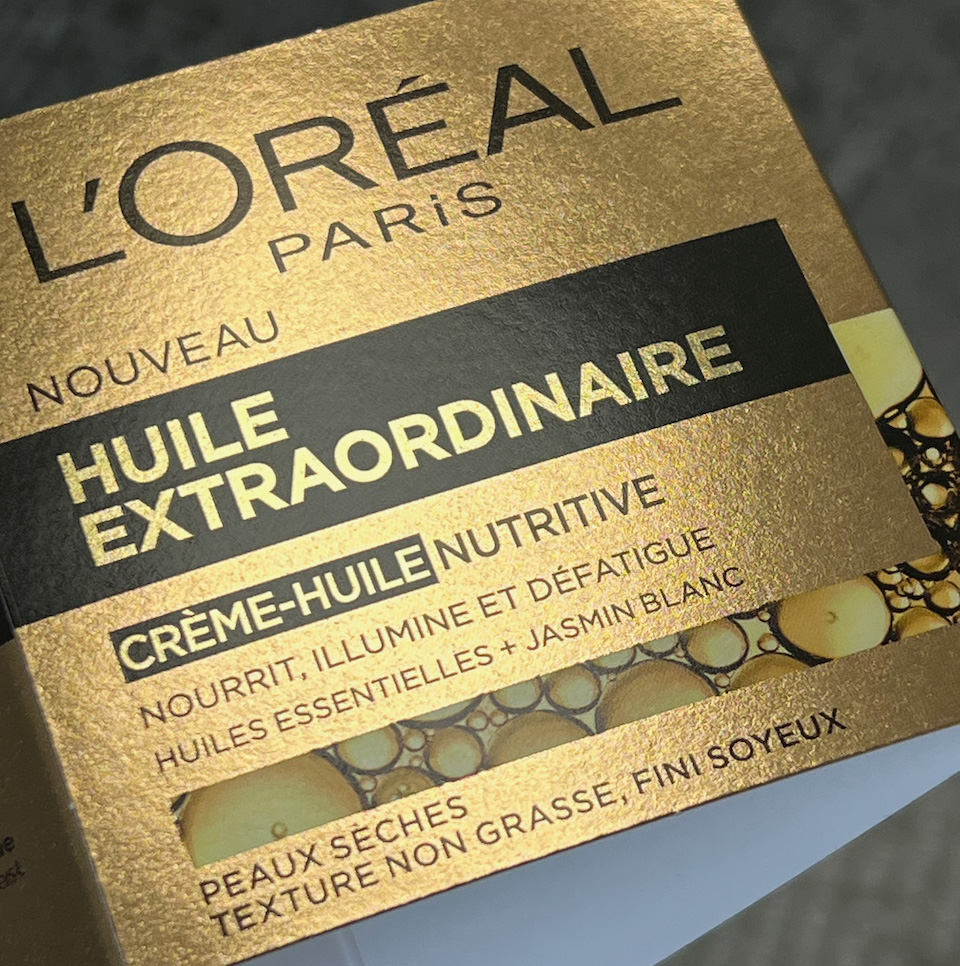

Cold foil becomes visually one with the printed piece or the folding carton pack, creating metallic accents, lines, text and solid areas.
Those colours are achieved by printing CMYK directly onto the foil. The transparency of the CMYK inks and the percentages you build in your file turn silver into blue metallic, gold metallic, green metallic and every shade in between.
That is why we usually speak of a thousand metallic colours from silver and gold cold foil printing.
1001 metallic colours with silver & gold cold foil printing
The adhesive layer is applied in the first printing tower. Using a standard printing plate, the adhesive is printed onto the paper exactly where the foil needs to go. In the foil unit, the sheet is pressed against the foil. The foil bonds sharply and durably to the adhesive.
Guiding the sheet through the machine with aerodynamic air paths and transfer rollers keeps registration accurate. For your file, the foil data can be set up as data for an additional spot colour.
The whole sheet can then be printed further, across both the unprinted and the metallised areas, with conventional inks or a suitable alternative.
When you choose a metallic finish for print or folding carton packaging, you will often come across two techniques: cold foil and hot foil, also described as warm foil.
Both produce a metallic result, but they differ fundamentally in how they work and in what they are suited to.
Hot foil is a traditional technique in which a metallic foil is transferred to the material under heat and pressure. That requires a metal or copper die, which transfers the foil using heat.
Because of that pressure, hot foil performs well on uncoated and texture-sensitive surfaces.
Read more about the process and design tips on our page about hot foil stamping.
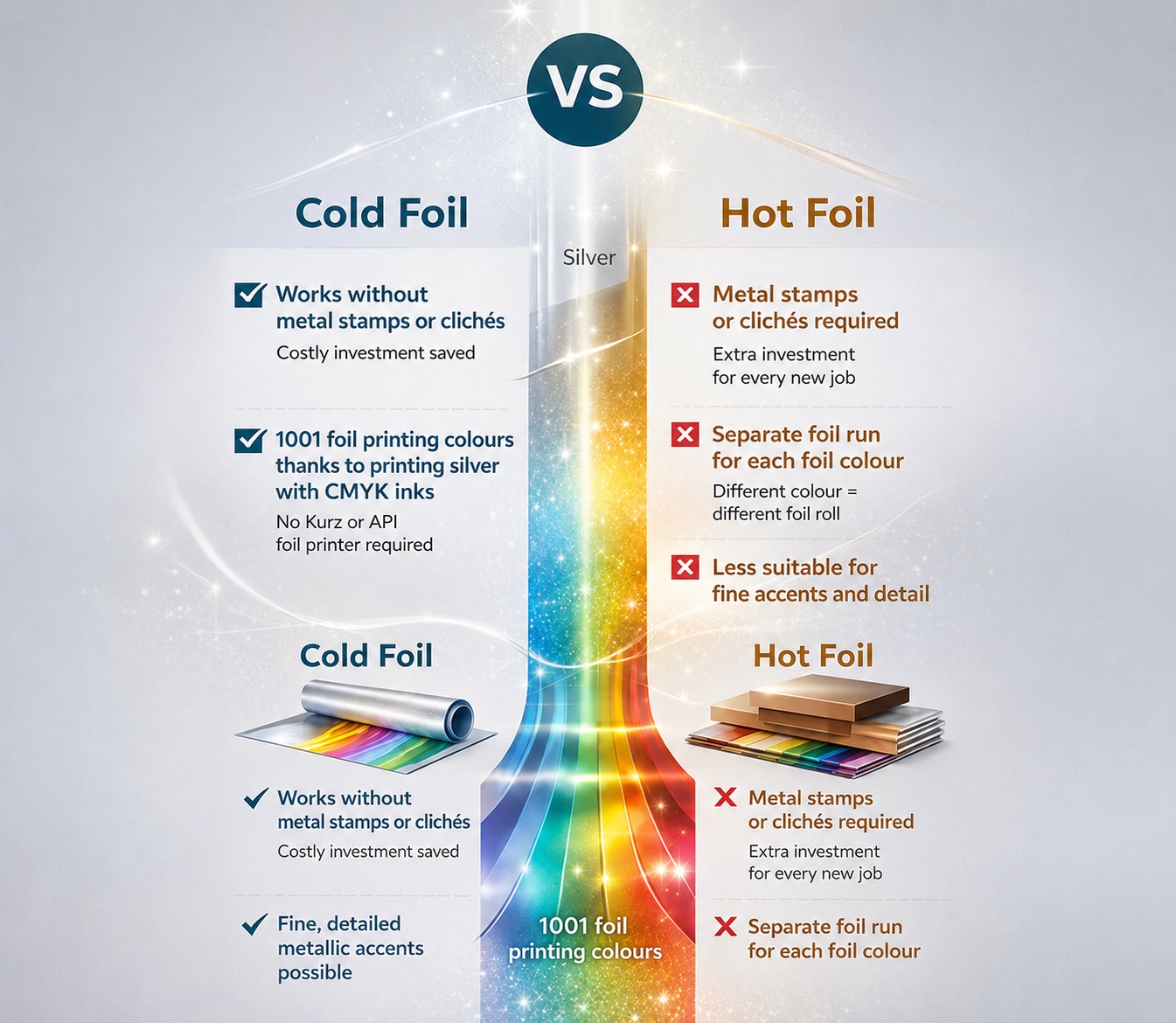
Cold foil works without any metal or copper die or cliche. That relatively costly investment is saved from the very first application.
Cold foil uses an adhesive ink with higher tack instead. This means that with cold foil printing you can convert the applied foil into every possible foil colour, without needing a separate tool for each one.
With hot foil you have to allow a separate pass for every foil colour. With cold foil you achieve all foil colour effects on your sheet in one go.
The most important advice: talk to us. A great many elements play a part in making the right choice. The advantage is that alongside our own speciality we are a genuine foil printing expert within the graphic sector.
We look for the result that best matches your wishes, even when that means we point you towards a different technique together with you. Your satisfaction with our advice comes first.
Elements that play a part in choosing between the two techniques include the run length, how often the project repeats, coated or uncoated paper and board, and matt or gloss aspects of foil and printing.
To give you a clear direction already: uncoated paper or board with one foil colour makes hot foil the most likely choice. Coated paper or board with several foil colours in one design points to cold foil.
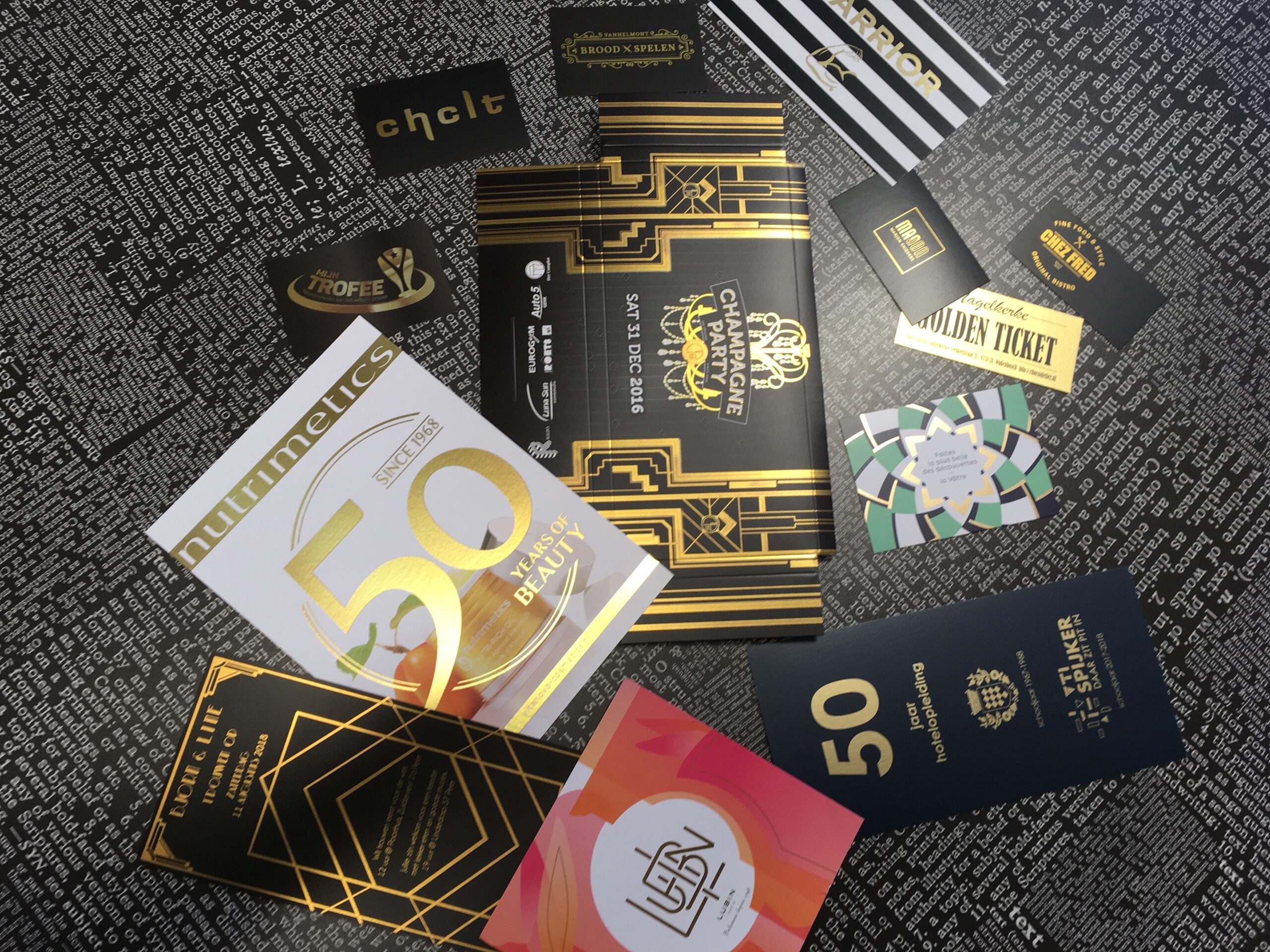
The field of application is very broad. Think of book and magazine covers, greeting cards, sheets for eye-catching POS (Point of Sale) displays, labels, loyalty and promotional cards or stickers, luxury invitations and folding carton packaging with a premium finish.
Yes and no.
No, because the most sustainable choice is packaging that is never produced. In fact we should look a step earlier in the process and ask ourselves what we are designing a box for. If we do want to offer the product, and the packaging eventually has to be removed from the shelf, that is a question where a great many factors and pieces of information have to be weighed against each other.
And yes, because if you consciously choose to offer and sell a product, and you want packaging that matches the experience of your brand and product, then cold foil is one of the most sustainable additions to paper and board. The adhesive ink and the aluminium particles contain no form of plastic whatsoever.
After use you can hand the sheet over with confidence to the excellent recycling stream for waste paper and board. This has been tested independently in a professional laboratory environment: cold foil printing supports the high recycling properties of paper and board.
We have produced a handy document, “How to cold foil”, available in Dutch, French and English. You can download it via the link below.
Set your file up as 4 colours plus a fifth colour for the foil.
Every two weeks we produce collective proofs with cold foil printing at a very attractive rate. That makes it easy to have an A4, A3 or A2 sheet of your own design printed before committing to a full run.
Every week we print a combination print form on 400 gsm bulky matt MC, in 4/4 (CMYK on both sides) and with silver foil on one side. From a small quantity upwards you can order along with it.
That makes this format ideal for business cards, luxury invitations and other high-end print applications where a premium finish matters.
It is not the percentage of cold foil on a sheet that determines the cost, but the position and the size of the area within which the cold foil is applied.
For higher run lengths (more than 5,000 sheets) we can calculate on the full width of a foil roll (100 cm). That sets a maximum price with unlimited foil use, so you can place cold foil anywhere in your design and make the most of the creativity and the effect.
Yes, you will find it here: frequently asked questions.

© 2026 Grafische Groep Matthys.
Made with ♥ by Heroo